GROWING UP IN A DIGITAL WORLD: HOW CAN PARENTS HELP CHILDREN USE TECHNOLOGY WISELY?
Post By: Admin
|
12-11-2026
Technology Is Everywhere
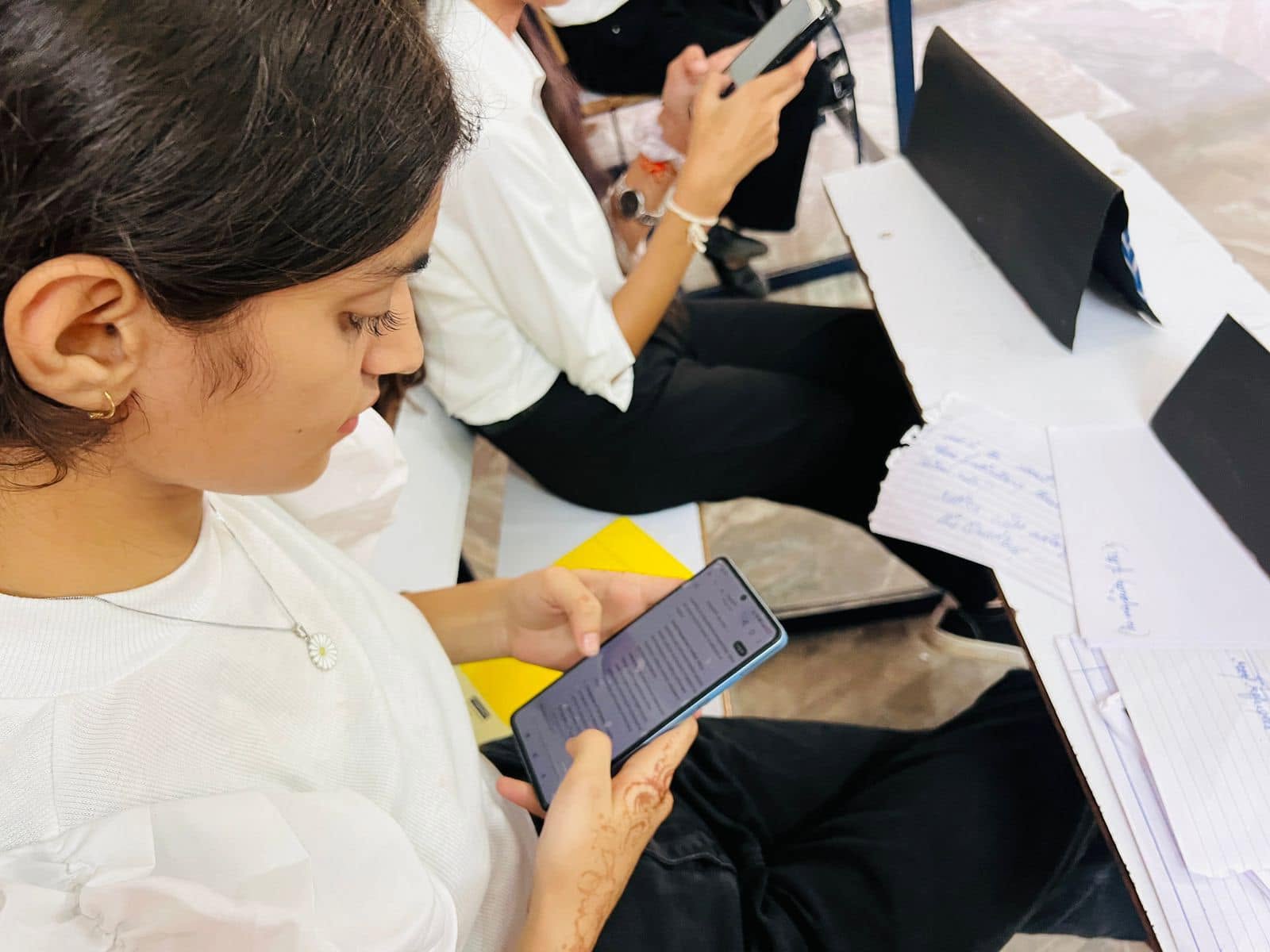
Technology has become an important part of children's everyday lives. From online classes and educational videos to games, social media and digital communication, children are growing up in a world where screens are easily accessible.
Digital tools offer valuable opportunities to learn, explore and create. However, excessive or unmonitored screen use can affect children's routines, concentration, physical activity and social interactions. The question for parents is no longer whether children should use technology, but how they can be guided to use it responsibly.
Screen Time or Screen Value?
Not all screen time is the same. Watching an educational video, researching a school project or creating a digital presentation can support learning. On the other hand, spending long periods scrolling through videos or playing games without a clear purpose may become a habit that is difficult to manage.
Parents should focus not only on how much time children spend on devices, but also on what they are doing online. Encourage meaningful activities such as reading, exploring educational resources, learning new skills and expressing creativity. Help children understand that technology is a tool for growth, not a replacement for real-world experiences.
Why Digital Balance Matters
Children need a healthy balance between digital engagement and everyday activities. Outdoor play, reading, hobbies, family conversations, sports and adequate sleep are equally important for their development. When screen use begins to replace these activities, children may find it harder to maintain a balanced routine.
Set reasonable screen-time boundaries, keep mealtimes device-free and encourage regular breaks. Avoid screens close to bedtime and make time for activities involving movement, imagination and face-to-face interaction. Most importantly, parents should lead by example. Children are more likely to follow healthy digital habits when they see adults practising them too.
Teaching Children to Be Safe and Responsible Online
Digital awareness is as important as digital access. Children should understand that not everything they see online is accurate, appropriate or safe. Talk openly about online privacy, cyberbullying, suspicious links and the importance of keeping personal information confidential.
Encourage children to seek an adult's guidance whenever they encounter something uncomfortable or confusing online. Rather than relying only on restrictions, help them develop the confidence to make responsible choices. Open communication and trust are essential; children should feel comfortable discussing their online experiences without fearing immediate criticism.
Practical Steps Parents Can Take
Building healthy digital habits does not require complicated rules. Establish age-appropriate screen-time limits and follow a regular routine. Encourage outdoor games, reading, creative hobbies and family activities. Keep devices away during meals, study time and bedtime. Explore educational apps and online resources together, discuss online safety regularly and appreciate children when they make sensible choices independently.
The aim is not to keep children away from technology, but to help them become thoughtful and responsible users of it.
The Srijan Perspective
At Srijan International School, we recognise that technology is an important part of modern education. Through digital learning, STEM activities and opportunities to explore innovation, we encourage students to develop the skills needed for a changing world.
At the same time, we believe that education must remain balanced and holistic. Creativity, physical well-being, communication, empathy and meaningful human connections are essential parts of a child's growth. Our shared responsibility as educators and parents is to prepare children not just to use technology, but to use it wisely, ethically and purposefully.
A Thought for Parents
Technology should open doors to knowledge, not become a barrier to childhood. Let us guide children to enjoy the benefits of the digital world while staying connected to books, nature, relationships, creativity and the experiences that make life meaningful.
The goal is not to raise children who spend more time with technology, but to raise confident individuals who know how to make technology work for them.