NEP 2020
Post By: Admin
|
08-10-2026
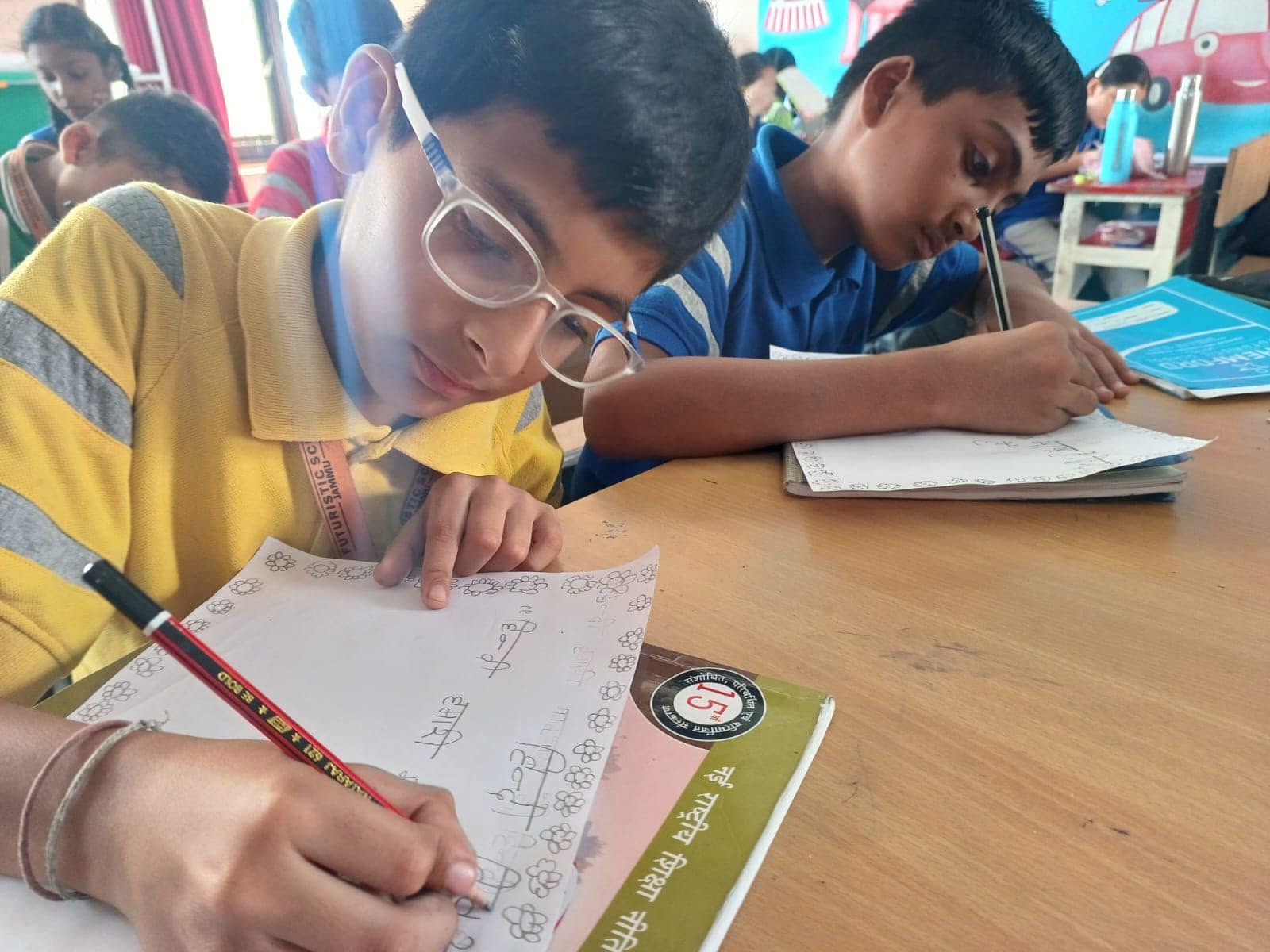
NEP 2020: What Is Changing in Your Child’s Education—and Why Does It Matter?
Understanding the Changing Landscape of School Education in India
Introduction
Education is changing, and so is the world in which our children are growing up. Today’s learners are surrounded by technology, artificial intelligence, global communication and rapidly evolving career opportunities. In such a world, education cannot be limited to memorising information for examinations. Children need to understand concepts, ask questions, solve problems, communicate confidently and apply what they learn in real-life situations.
This is the larger vision reflected in the National Education Policy (NEP) 2020, which seeks to make education more holistic, flexible, experiential and learner-centred. But what does this mean for children and, more importantly, for parents?
From Rote Learning to Meaningful Learning
One of the significant shifts encouraged by NEP 2020 is the movement from rote memorisation towards understanding, application, critical thinking, creativity and problem-solving.
This does not mean that academic knowledge or examinations are no longer important. Rather, the focus is on helping children understand what they learn and use that knowledge meaningfully. For example, instead of simply memorising facts about water conservation, a child can be encouraged to observe water usage at home, identify wastage and think of possible solutions. The learning then moves beyond the textbook and becomes connected to everyday life.
This approach is closely linked to competency-based learning, where students are encouraged not only to know something but also to demonstrate what they can do with that knowledge.
Learning Beyond the Classroom
Children often learn best when they are actively involved in the learning process. This is why experiential and activity-based learning have become increasingly important in modern education.
A science experiment, a heritage visit, a group project, a stage performance, a school garden or a sustainability activity can all become meaningful learning experiences. Such activities help children connect concepts with real situations while developing skills such as collaboration, communication, creativity and responsibility.
Education, therefore, is no longer confined to the four walls of a classroom. Every meaningful experience can become an opportunity to learn.
Developing Critical Thinkers for a Changing World
Children today have access to more information than any previous generation. With search engines and artificial intelligence providing information almost instantly, the ability to simply find an answer is no longer enough.
Children also need to learn how to question information, identify reliable sources, consider different perspectives and make informed decisions. Schools have an important role in creating environments where students feel encouraged to ask questions and express ideas. A child asking “Why?” is not necessarily challenging the teacher—it may be the beginning of deeper learning.
Technology, including emerging tools such as artificial intelligence, can support this process when used responsibly. Children need digital skills, but they also need digital awareness, ethical judgement and an understanding of how technology should support—not replace—human thinking.
Education Beyond Marks
NEP 2020 also encourages a broader understanding of a child's development. Academic achievement is important, but education should also nurture emotional, social, physical, creative and ethical growth.
Sports can teach teamwork and resilience. Art can encourage creativity and expression. Public speaking can build confidence. Group activities can develop collaboration and leadership. Environmental initiatives can nurture responsibility towards the community and the planet.
These experiences may not always be reflected in examination marks, but they contribute significantly to preparing children for life.
The Parent’s Role in the Changing Education System
Parents are important partners in a child's learning journey. As education evolves, the conversations we have with children can evolve too.
Instead of asking only, “How many marks did you get?”, parents can also ask, “What did you learn today?”, “What did you find interesting?”, “What was challenging?” and “How would you solve it differently?”
Such questions encourage children to reflect on their learning rather than viewing education only through the lens of marks. Parents can also help by creating an environment where children feel comfortable asking questions, making mistakes and trying again. The goal is to gradually help children become confident and independent learners.
The Srijan Perspective
At Srijan International School, we believe that education should prepare children not only for examinations, but also for life.
Our approach encourages students to learn, explore, question, create, collaborate and communicate. Through academics, co-curricular activities, sports, technology, experiential learning, sustainability initiatives and opportunities for global exposure, we strive to nurture confident, curious and responsible learners.
As educators, our responsibility is not simply to prepare children for the world that exists today. It is to help them develop the knowledge, skills, values and adaptability they will need for the world of tomorrow.
A Thought to Take Home
The purpose of education is not simply to help children know more. It is to help them think better, understand deeply, act responsibly and continue learning throughout life.
The future may bring questions and challenges that we cannot yet predict. What we can give our children today is the curiosity to ask questions, the confidence to seek answers and the resilience to keep growing.
At Srijan, we believe that every child deserves an education that helps them not just to know more, but to become more.